What Happens to Soil Temperature and Soil Life When We Cover the Ground?
Soil temperature, living roots, and the life beneath a layer of leaves
By Daniel Halsey · Photographs and sensor screenshots by the author
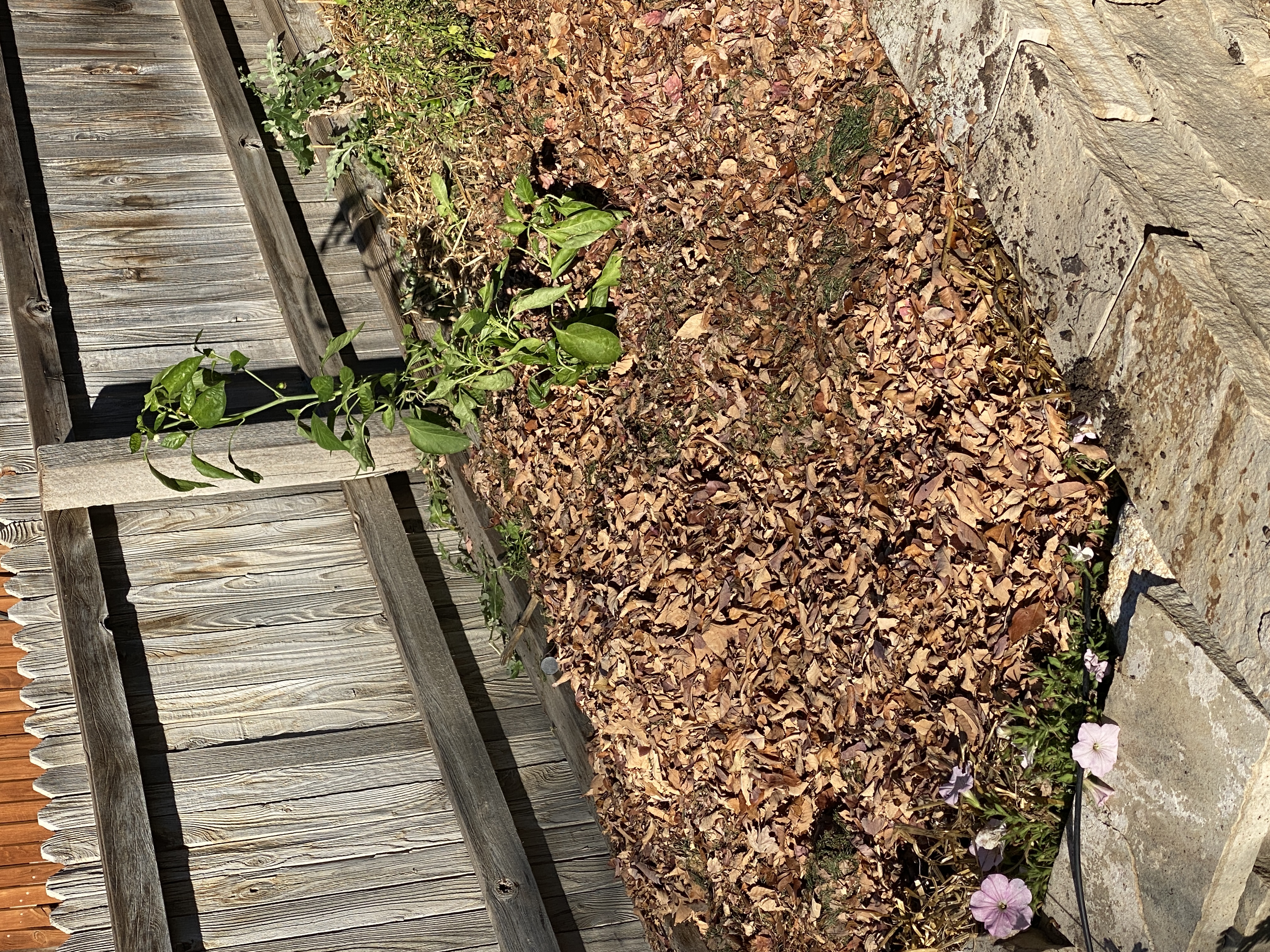
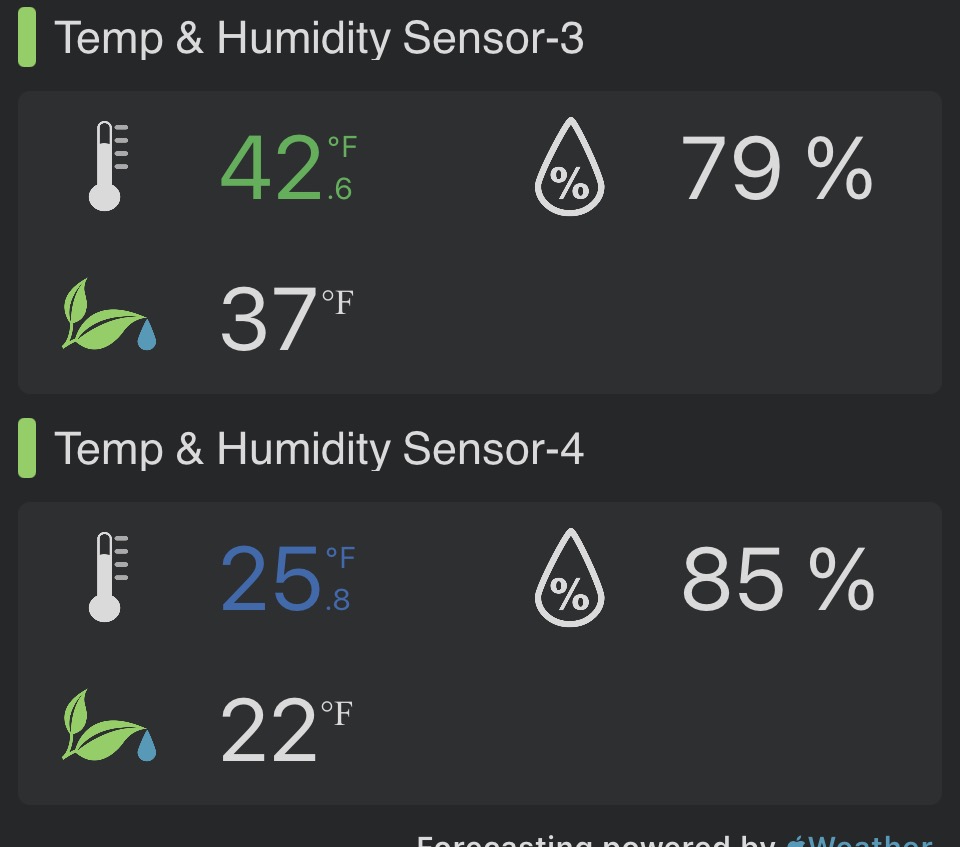
In late November, my covered-soil sensor held between 42.0°F and 44.6°F over 24 hours. In a separate morning snapshot, the covered-soil sensor read 42.6°F while the outdoor-air sensor read 25.8°F. The air was below freezing, and the soil sensor was still more than 10°F above freezing. What does that temperature difference tell us about the conditions for roots and soil organisms as the weather cools?
What I measured
| AcuRite record | Period | Temperature readings | Difference |
|---|---|---|---|
| Covered-soil sensor, 24-hour chart | Nov. 22–23, 2026 | High 44.6°F at 4:10 p.m. Nov. 22. Low 42.0°F at 8:10 a.m. Nov. 23. | 2.6°F high to low |
| Morning dashboard snapshot | Exact date and time absent from the screenshot | Covered-soil sensor 42.6°F. Outdoor air 25.8°F. | Covered-soil sensor 16.8°F warmer |
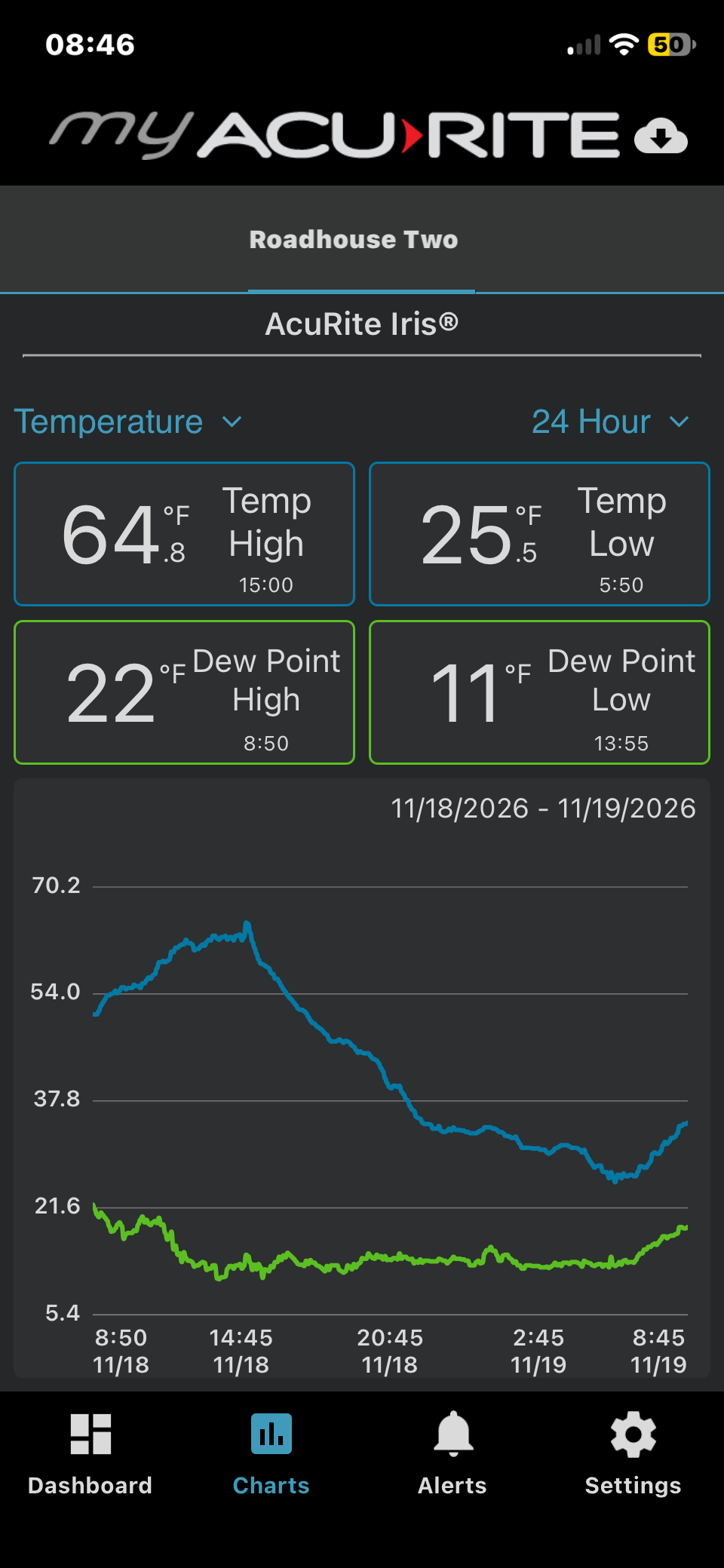
| Outdoor air, 24-hour chart | Nov. 18–19, 2026 | High 64.8°F at 3:00 p.m. Nov. 18. Low 25.5°F at 5:50 a.m. Nov. 19. | 39.3°F high to low |
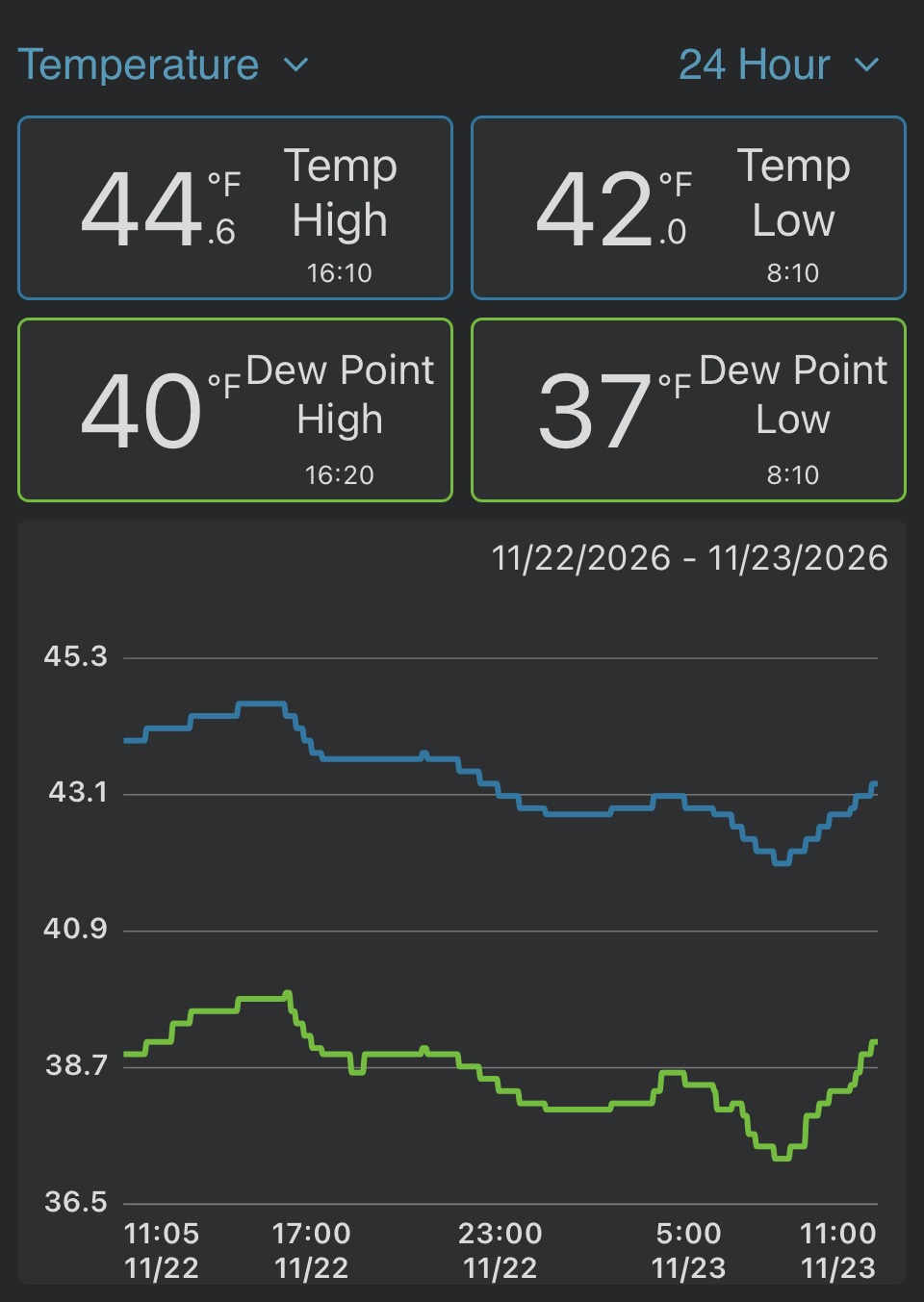
Readings from my AcuRite screenshots IMG_9481.jpeg (covered-soil chart), IMG_9474.jpeg (morning snapshot), and IMG_9470.png (outdoor air chart).
The air chart shows how much the outdoor temperature changed over an earlier November day. The morning snapshot gives the direct soil-to-air comparison. The screenshots leave the cover material, cover thickness and sensor placement or depth undocumented. To estimate how much of the temperature difference came from the cover itself, I would need simultaneous measurements in covered and bare soil at the same depth. Soil depth and moisture can also affect how quickly the ground cools. The dashboard's humidity values are relative humidity at the sensors and do not measure soil water content.
What the cover changes
Organic mulch buffers temperature swings. Straw, leaf litter and wood chips shade the soil and slow the movement of heat. During summer, that often means lower afternoon soil temperatures and slower cooling at night. The same insulation can delay spring warming in a vegetable bed. Depth and material matter. A thin layer of leaves and a deep layer of wood chips will behave differently. So will the top inch of soil and the soil several inches down. University of Wisconsin Extension
Living cover shades the ground and uses water. A cover crop or groundcover intercepts sunlight, and its living roots release sugars and other carbon compounds that feed microbes near the roots. The canopy can reduce evaporation from the soil surface while the plants draw water from below. In a dry garden, the net effect on water available to neighboring plants can go either way. It depends on the cover species, rainfall or irrigation, soil and timing. USDA NRCS soil health guidance · USDA NRCS cover crop and soil water field summary
Some covers warm the soil. Clear plastic can transmit sunlight and raise daytime soil temperatures. Black plastic absorbs sunlight and transfers heat most effectively where it makes good contact with the soil. Reflective white plastic can keep soil cooler. The effect of a cover depends on how it handles sunlight, heat and moisture. NC State Extension
What this means for roots and microbes
Metabolism is the work cells do to stay alive and grow. Roots use energy from respiration to grow and take up nutrients. Soil microbes use energy to grow and break down organic material. Germination, root growth and microbial activity each respond to temperature, with different ranges for different species and processes. A soil temperature that suits one seed can still be too cold for another. UC Master Gardener Program germination guide · USDA NRCS soil respiration guidance
At the recorded 42.0–44.6°F, some soil organisms can remain active if they have enough moisture and oxygen. The temperature readings alone leave the rate of decomposition, nutrient cycling and root growth open. As cool soil warms, biological activity often increases when moisture, oxygen and food are available. In hot, dry soil, a cooler patch under mulch may support more microbial activity if the cover also keeps it moist. In saturated soil, water fills air spaces and limits oxygen, shifting which organisms and processes are active. These interactions explain why temperature alone is a poor predictor of what the soil biology is doing. USDA NRCS soil respiration guidance
Soil respiration, commonly measured as carbon dioxide released from the soil, reflects activity from roots and other soil organisms as well as microbial decomposition. A higher reading tells you more carbon dioxide was released during the measurement. Judging long-term soil health or carbon storage requires other observations and measurements. USDA NRCS soil respiration guidance
Use the cover to suit the season
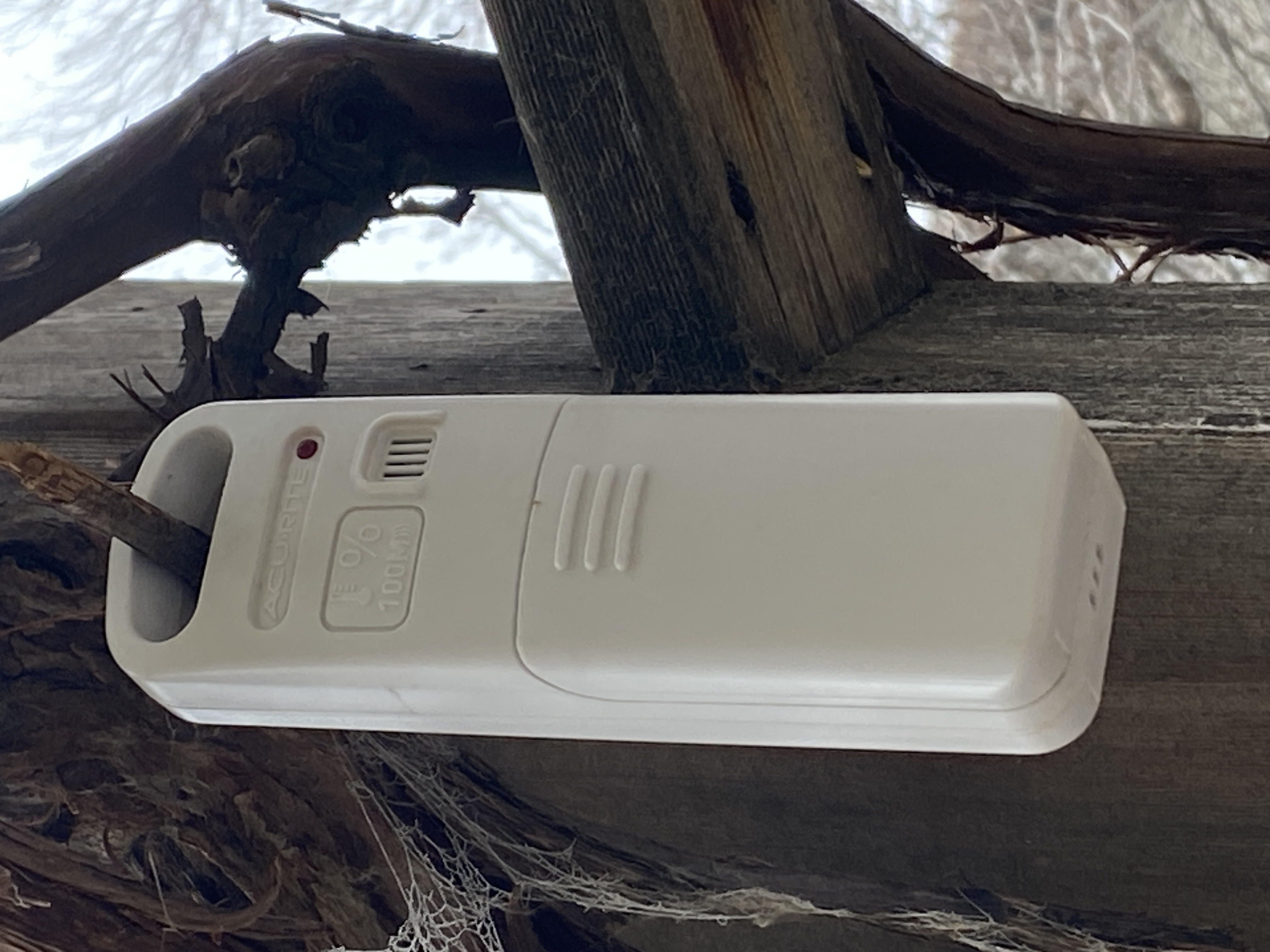
In a cool spring, you might pull mulch back from the seed row so the sun can warm it while leaving the paths and the rest of the bed covered. In a hot, dry stretch, you might keep organic mulch in place to reduce afternoon heating and slow evaporation. In a perennial planting, leaf litter or mulch can protect the surface while a compatible groundcover adds living roots. When choosing that groundcover, start with the site’s light, drainage and available water, then consider its mature spread and seasonal water use.
Check it in your own soil
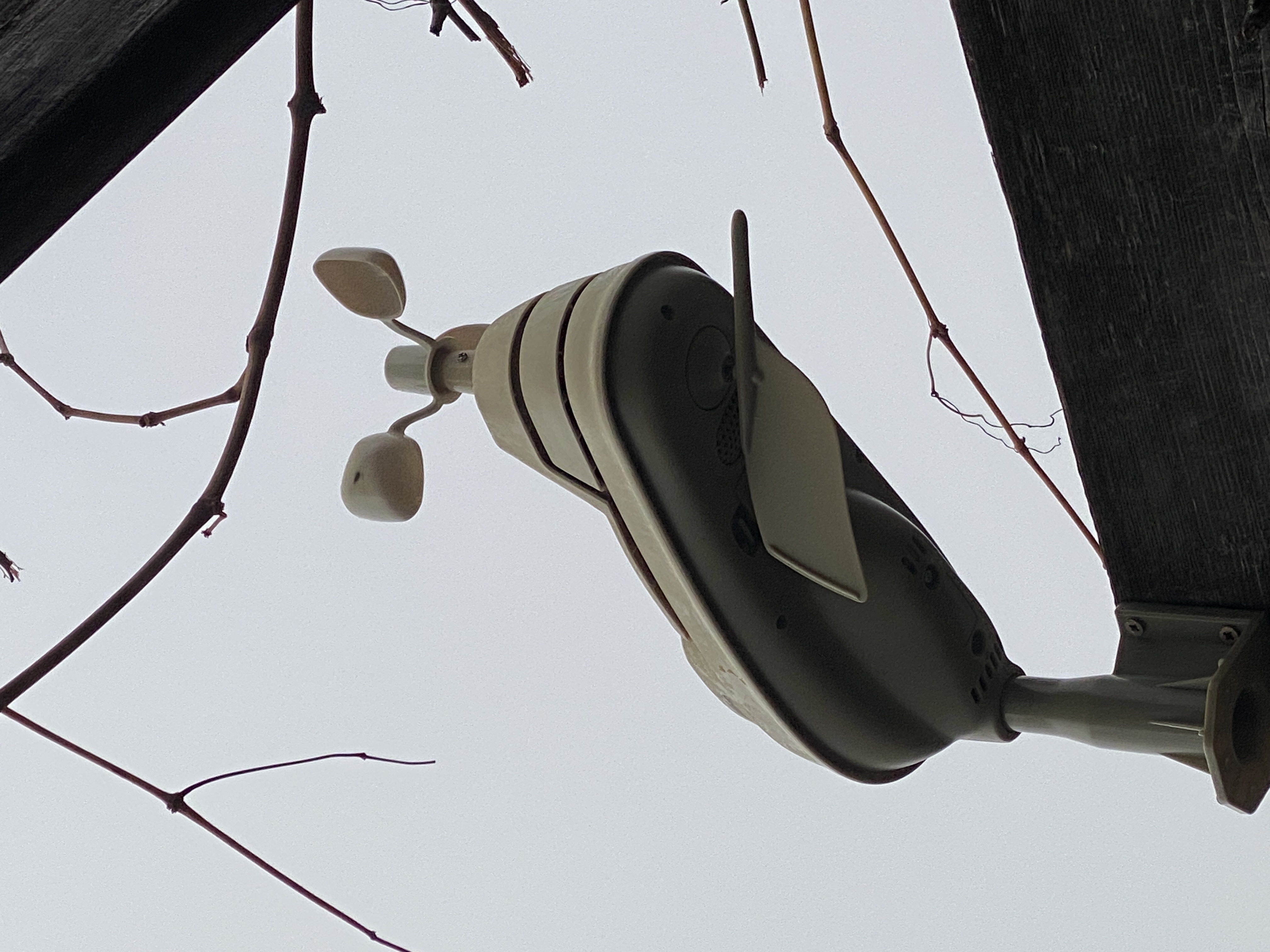
Compare two nearby spots with similar sun, soil and watering, one covered and one exposed. Measure early in the morning and again in late afternoon for several days. Put the probe at the same depth in both spots, measured from the soil surface beneath the cover. Use sowing depth for a seedbed and add a deeper reading if you want to see what established roots experience. Record the cover material and thickness, recent rain or irrigation, and soil moisture alongside temperature. Compare the readings with a local Extension germination guide for the crop you’re planting. Oregon State University Extension soil thermometer guidance
The same cover can help an established plant through a hot week and delay a warm-season seed in spring. A few readings at planting depth can tell you when to leave the cover in place and when to pull it back.